

A Calmer Start for Markets, but Caution Remains
Dear Clients and Friends,
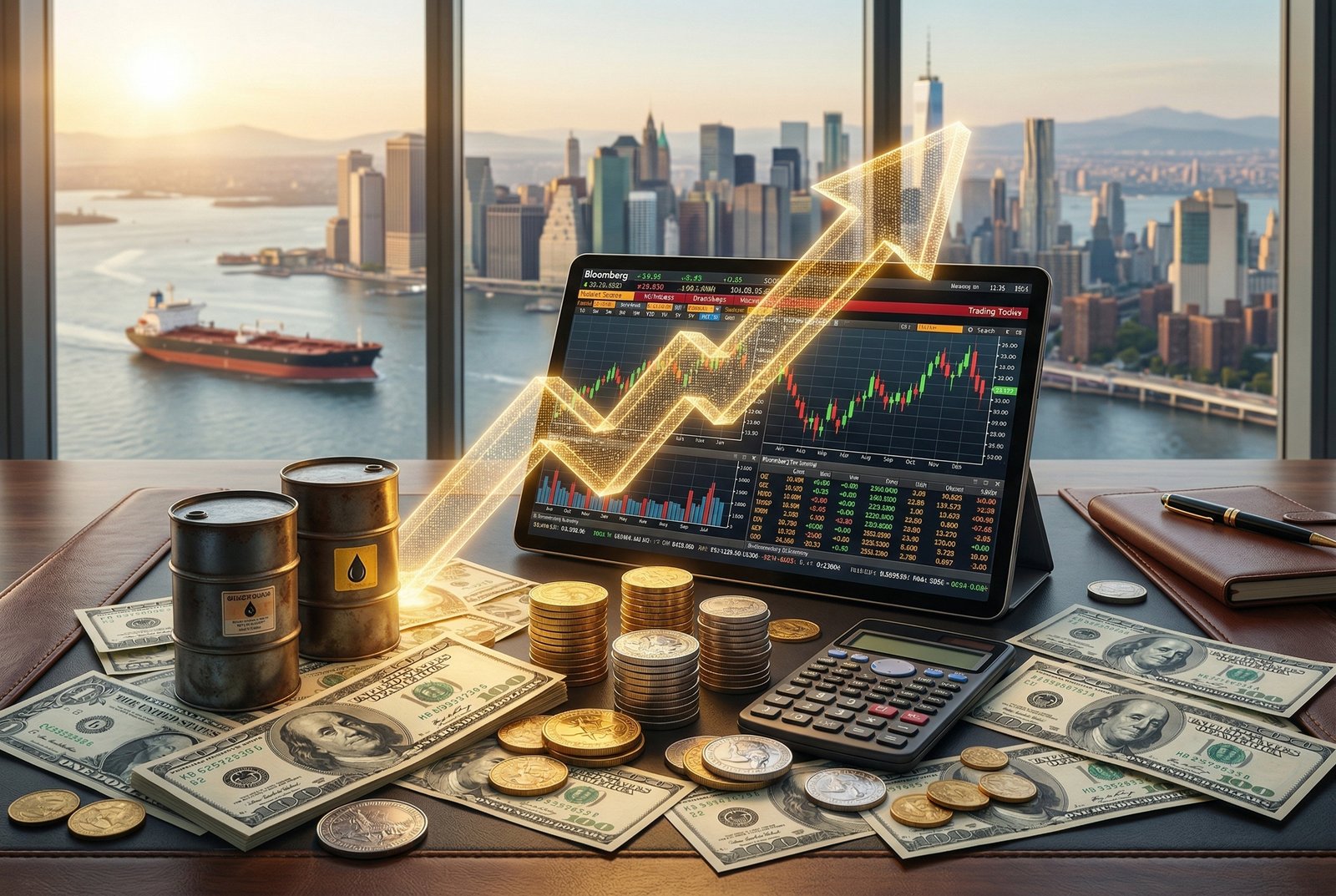
Markets were more stable at the start of the week after the United States delayed planned military action against Iranian energy infrastructure and signaled that it was still open to diplomatic efforts. That shift helped reduce some of the immediate fear that had been weighing on investors and brought a measure of relief to stocks.
One of the clearest reactions was in oil prices. Crude oil fell sharply after the announcement, as investors took some comfort in the idea that a wider disruption might be avoided, at least for now. Even so, oil prices remain well above where they were last month, which tells us that concerns about supply have not fully gone away.
At the center of those concerns is the Strait of Hormuz, a key shipping route for global energy supplies. A large share of the world’s oil and natural gas moves through that area, so any threat to traffic there can quickly affect prices worldwide. That matters not only for energy markets, but also for inflation, business costs, and overall investor confidence.
Bond markets also reflected a more cautious mood. Yields moved lower to start the week, which often happens when investors look for steadier ground during uncertain periods. In plain terms, markets welcomed the pause in tensions, but they are still waiting for more clarity before becoming fully confident again.
What happened
The main driver behind Monday’s steadier tone was the decision to delay military action and leave room for negotiations. After several weeks of rising anxiety around the Middle East, that was enough to help markets stabilize.At the same time, the broader picture remains unsettled. There are mixed signals around whether meaningful talks are actually underway, and ongoing regional attacks continue to keep markets on edge. That means investors are likely to remain highly sensitive to new developments and headlines in the days ahead.This is why markets can appear calmer one day and unsettled the next. It is not necessarily a sign of a deeper change in the economic outlook. Rather, it reflects how quickly sentiment can shift when geopolitical events are still unfolding.
Why it matters
Geopolitical conflicts often affect markets most directly through energy prices. When investors worry that oil supply could be disrupted, prices can move higher very quickly. Higher oil prices can then feed into transportation costs, manufacturing costs, and consumer prices more broadly.That is one reason these events matter even to long-term investors who may not follow daily market moves closely. Rising energy prices can put pressure on inflation and influence expectations for interest rates, both of which affect stocks and bonds.
The recent drop in oil prices is a helpful sign because it eased some immediate fears. However, the fact that prices remain elevated reminds us that the underlying risks are still present. Markets may be calmer for the moment, but they are not yet fully comfortable that the situation has been resolved.Lower bond yields tell a similar story. They suggest that while investors are no longer reacting to the most severe scenario, they are still leaning toward caution and looking for signs of stability.
Key takeaways
- Stocks found support after the U.S. delayed planned military action and signaled openness to diplomacy.
- Oil prices fell after the announcement, helping improve market sentiment.
- Even after that decline, oil remains higher than it was last month, so supply concerns are still in focus.
- The Strait of Hormuz remains a key area to watch because of its importance to global energy shipments.
- Lower bond yields suggest investors are still cautious and looking for safer ground.
- Markets may continue to respond quickly to headlines until there is more clarity on the conflict.
What this means for you
For investors, this is a useful reminder that markets often react sharply to global events in the short term, especially when energy supplies are involved. That can create uncomfortable headlines and temporary volatility, but it does not always change the long-term investment picture.
The encouraging news is that markets showed signs of resilience once immediate fears began to ease. That is often how markets behave during uncertain periods: they react quickly to risk, but they also recover some ground when conditions become less severe than expected.For most long-term investors, the best response is still a steady one. A diversified portfolio is designed to help manage periods like this, when uncertainty rises but the long-term path forward remains intact. Rather than reacting to every headline, it is generally more helpful to stay focused on your goals, your time horizon, and the discipline built into your financial plan.
For now, a calm and measured approach remains appropriate. The situation deserves close attention, but not alarm.
A Broader Perspective on Portfolio Positioning
Periods like this are a reminder that public markets can react quickly to headlines, geopolitical developments, and shifts in investor sentiment. That is a normal part of investing, even though it can feel unsettling in the moment.This is also where long-term portfolio design becomes especially important. Public markets often move quickly in response to breaking news, while private market investments typically operate on a longer time horizon. In many cases, their results are driven more by business fundamentals, management execution, and long-term value creation than by day-to-day market swings.That does not mean private markets are without risk. They can be less liquid, require longer holding periods, and may not be appropriate for every investor. Still, for investors with the right goals, time horizon, and risk tolerance, they can play a useful role in diversification and long-term growth planning.
In uncertain periods, the goal is not to react to every headline. It is to stay focused on building a portfolio that can hold up across different environments. A thoughtful mix of strategies, including both public and private market exposure where appropriate, can help support that approach.
For those interested in learning more, our Private Market Alpha Guide offers additional perspective on how private markets work, the role they may play in a diversified portfolio, and the key factors investors should consider before adding them to an overall investment strategy.
Let’s build a stronger, smarter plan together.
Schedule your free consultation today
At AWM, Our Fiduciary Duty Principles™ Define Our Commitment
This commentary is for informational and educational purposes only and is not investment, tax, legal, or accounting advice. Any investment involves risk, including the possible loss of principal. Private and alternative investments may be illiquid, may involve higher fees, may use leverage, may have limited transparency, and may not be suitable for all investors. Liquidity features (including redemption/repurchase programs) are not guaranteed and may be limited, suspended, or modified. Distributions are not guaranteed and may be sourced from factors other than operating cash flow. Tax treatment is complex and investor-specific; consult your tax advisor. Any offering is made only through applicable offering documents and only to eligible investors where lawful.
How We Can Help You
At AWM, we provide personalized, comprehensive guidance for individuals and families. Our services offer peace of mind and confidence through every stage of your financial journey:
- Investment Management: Our globally diversified, tax-efficient portfolios are designed for resilience across market conditions.
- Proactive Tax Planning: We focus on tax-efficient strategies for both accumulation and distribution phases, helping you manage liabilities.
- Integrated Goals-Based Planning: Align all life goals into a unified financial plan to navigate transitions strategically.
Contact AWM today to schedule a confidential consultation and connect with an advisor who can help you achieve your financial goals. For assistance, reach out to us at Service@awmfl.com.
Thank you for your continued trust and engagement.
Tony Gomes, Author, MBA
CEO and Founder
Advanced Wealth Management